
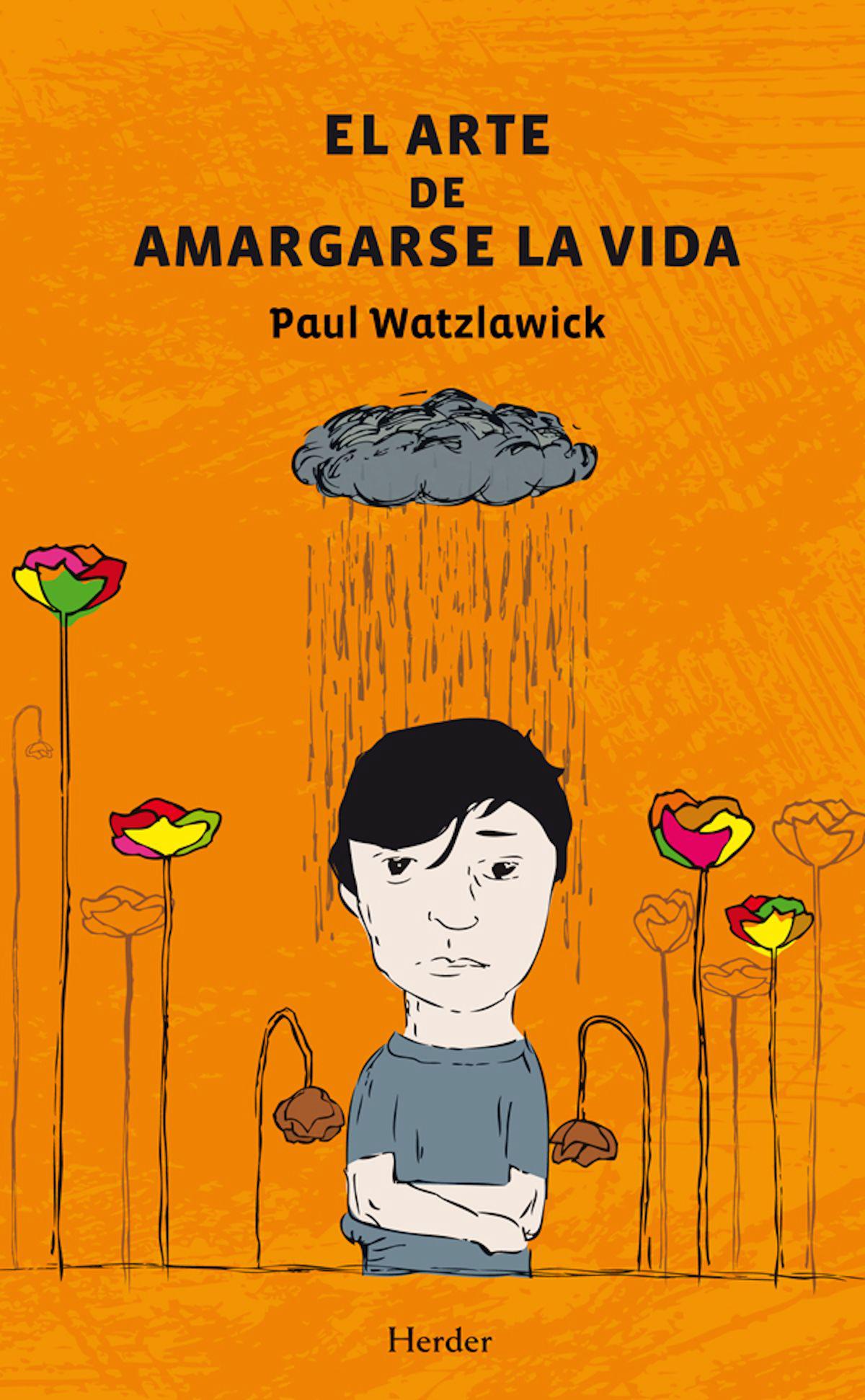
An ironic and insightful look at how we complicate our lives with rigid and destructive interpretations.
Topic#
Psychology of self-sabotage.
Approach#
Constructivism and brief therapy; satire as a tool to expose destructive thinking patterns.
Why Read It#
- Uses humor to lower defenses and help us see ourselves in the described situations.
- Serves as a mirror to recognize cognitive distortions and mental rigidity.
- Easy to read and remember.
Common Objections#
- “It’s too ironic”: the sharp humor is intentional to break excessive seriousness.
- “It doesn’t give solutions”: it’s a book of awareness, not a protocol.
For Whom#
Anyone who wants to identify how their mind creates unnecessary problems and have a laugh in the process.
Not For#
Those looking for a step-by-step manual on “how to be happy”.
Key Ideas#
- The interpretation we give to events creates more suffering than the events themselves.
- Clinging to personal “absolute truths” is a sure recipe for bitterness.
- Life gets more complicated by insisting on being right than by the original problem.
How to Apply#
- Detect phrases like “this is always the case” and change them to “sometimes it happens that…”.
- Ask yourself: “Do I want to be right or do I want to be at peace?”.
- Make a list of rigid expectations and decide which to let go.
Complementary Books#
- Amar lo que es — for questioning techniques.
- Los seis pilares de la autoestima — for building new habits.