
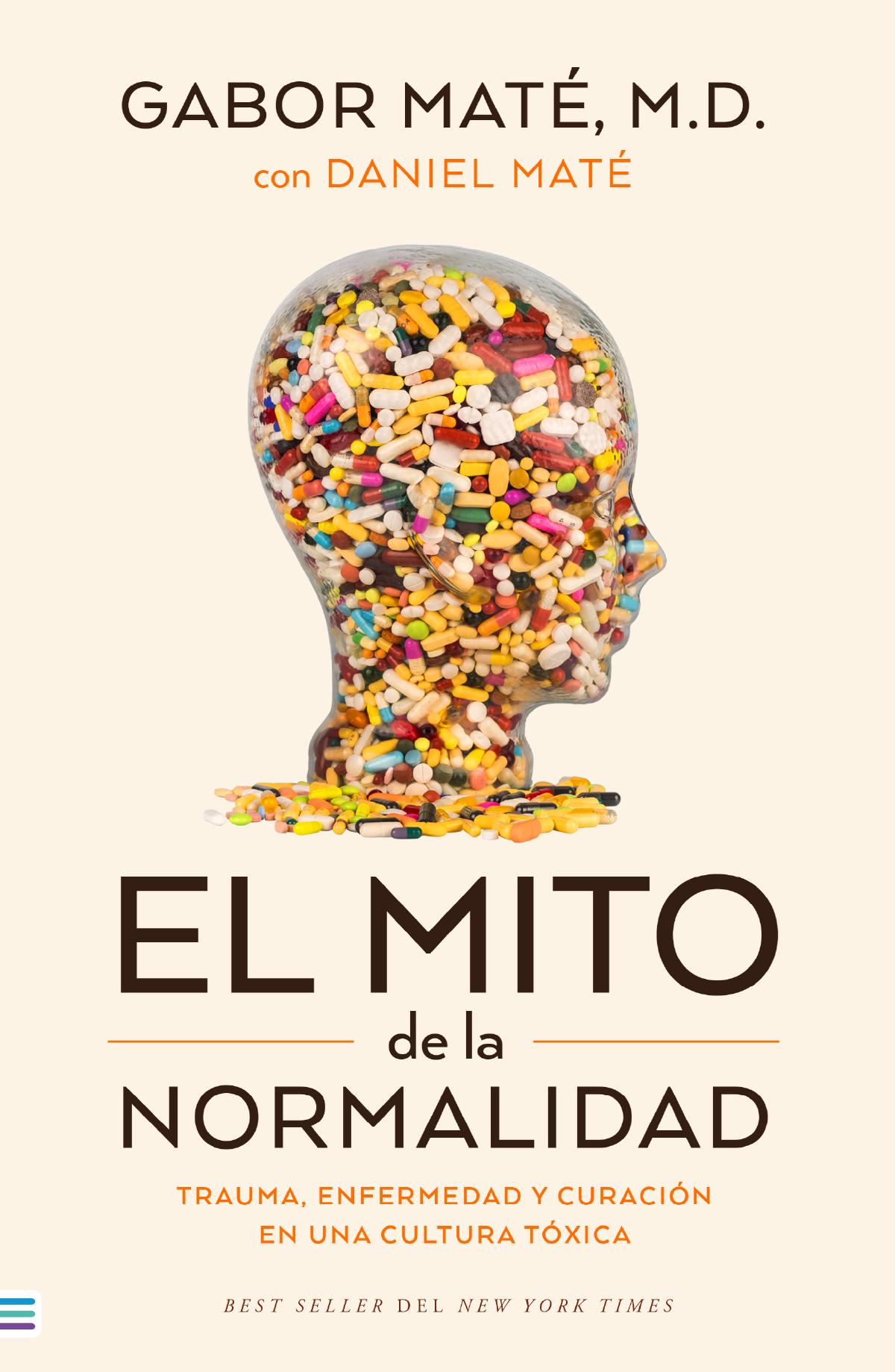
An in-depth exploration of how modern culture contributes to trauma and chronic stress, and how we can reconnect with ourselves to heal.
Topic#
Trauma, society, and mind–body health.
Approach#
Trauma-informed perspective with sociocultural critique; challenges the idea of “normality” and exposes how social and cultural habits can be harmful to both mind and body.
Why Read It#
- Connects emotional biography and biology without falling into reductionism.
- Offers a compassionate framework for understanding patterns of stress and disconnection.
- Encourages rethinking boundaries and productivity-driven rhythms that harm health.
Common Objections#
- “It generalizes social causes”: can be read as an operative hypothesis, not absolute truth.
- “It lacks hard clinical trials”: focuses more on a comprehensive framework than epidemiological data.
For Whom#
People living with chronic stress, experiencing psychosomatic symptoms, or feeling that cultural/family patterns influence their distress.
Not For#
Those seeking quick fixes without exploring personal history or context.
Key Ideas#
- Trauma is not the event itself, but the imprint it leaves and the disconnection it causes.
- Modern culture reinforces emotional disconnection as the norm.
- Healing means reconnecting with oneself and with safe relationships.
How to Apply#
- Do brief somatic check-ins several times a day to note sensations and emotions.
- Define clear, positive boundaries that protect your well-being.
- Dedicate regular time to activities free of external stimuli and screens.
- Keep a journal of symptoms and emotions to identify patterns.
Complementary Books#
- Cuando el cuerpo dice NO — for clinical examples and practical cases.
- On Self-Hatred — to work on chronic self-criticism.