
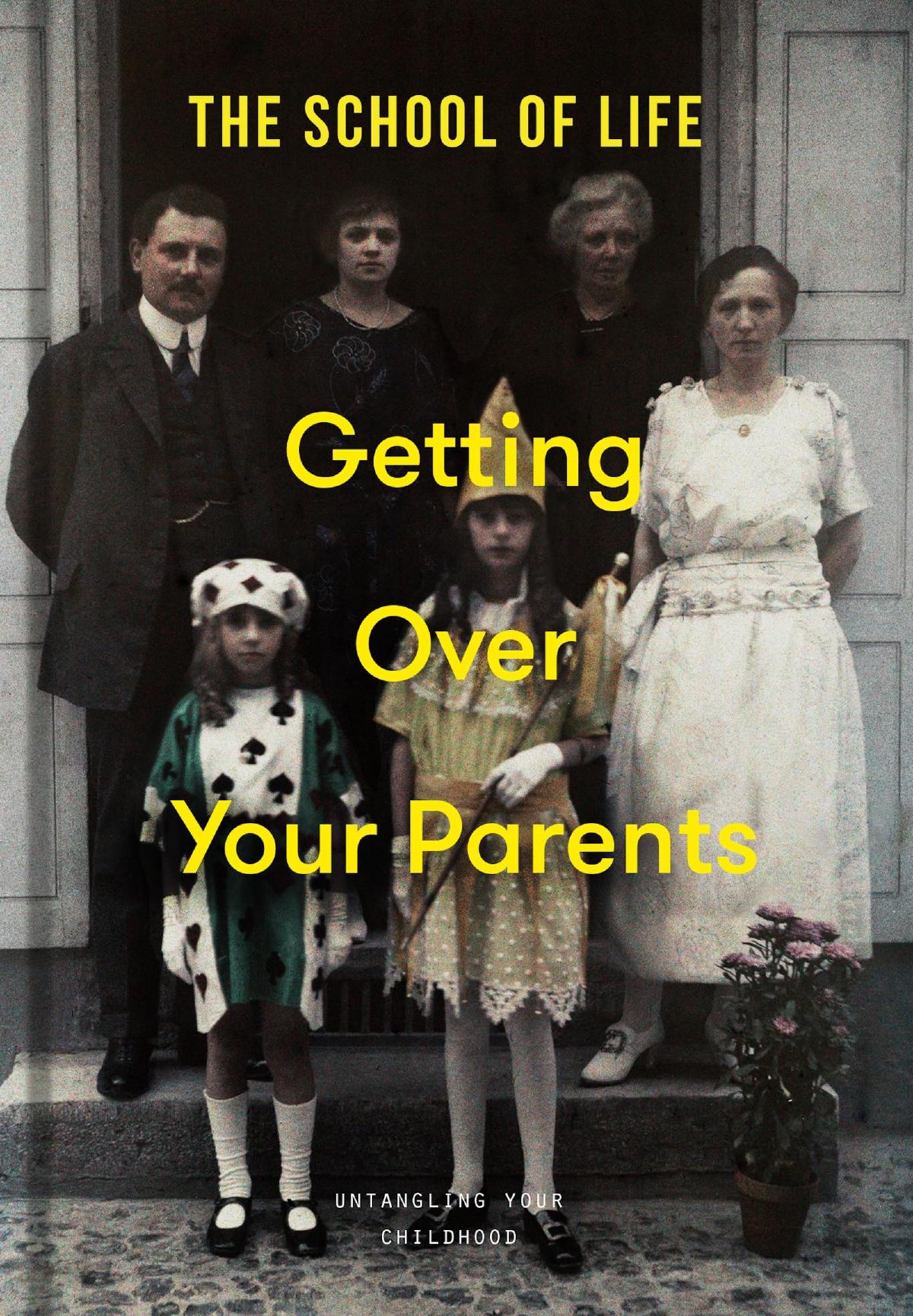
A guide to identifying, understanding, and freeing yourself from emotional patterns learned in childhood that still affect adult life.
Topic#
Overcoming emotional patterns inherited from childhood.
Approach#
Practical philosophy with existentialist and psychodynamic influences; encourages reflection without falling into victimhood.
Why Read It#
- Helps recognize beliefs and habits rooted in upbringing.
- Offers a balanced approach: understanding the origin without staying trapped in it.
- Provides clear language for processing family wounds.
Common Objections#
- “It’s too philosophical”: its goal is depth, not quick fixes.
- “It may stir emotions”: best accompanied by therapeutic support if needed.
For Whom#
People who want to stop repeating family patterns and build their own identity.
Not For#
Those looking for only practical advice without deep introspection.
Key Ideas#
- Upbringing leaves marks even in the absence of severe trauma.
- Understanding ≠ justifying everything; it means understanding to choose differently.
- It’s possible to create a healthy, independent identity.
How to Apply#
- List family phrases or rules you still follow without questioning.
- Ask yourself whether those rules reflect your values or your family’s.
- Create a ritual or symbolic action to mark your emotional independence.
Complementary Books#
- How to Overcome Your Childhood — for working on personal narrative.
- Abrázame fuerte: Siete Conversaciones — for healing adult relationships.