
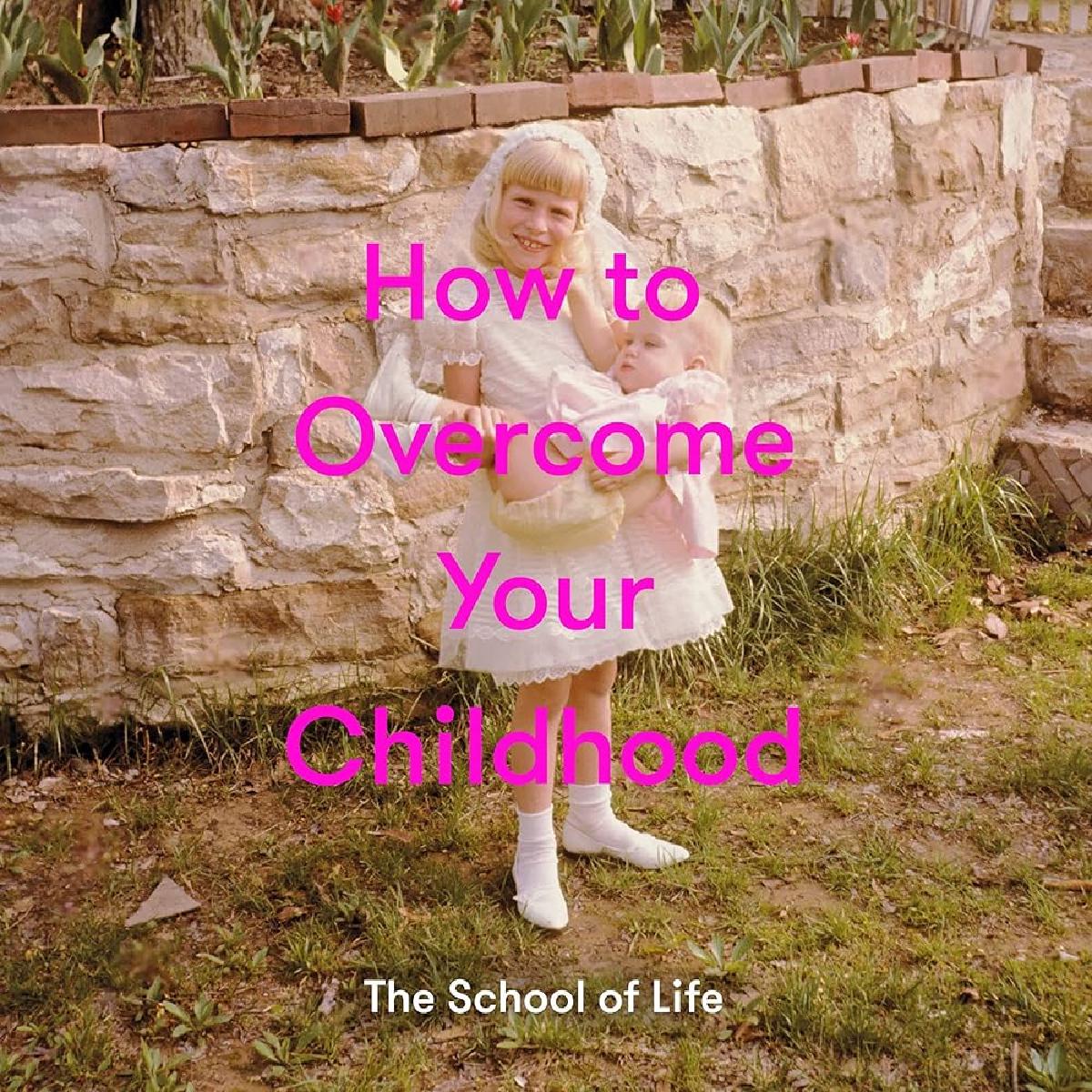
A book that teaches how to identify the story we tell ourselves about our childhood and rewrite it to live with greater emotional freedom.
Topic#
Rewriting personal narrative based on childhood experiences.
Approach#
Existential philosophy with a therapeutic focus; promotes introspection as a way to recognize and modify learned beliefs.
Why Read It#
- Helps understand how childhood interpretations still influence adult life.
- Offers exercises to reframe experiences and give them new meaning.
- Encourages emotional independence and self-acceptance.
Common Objections#
- “It’s very reflective”: designed for deep introspective work, not quick changes.
- “It stirs intense emotions”: recommended to read with support if the past was traumatic.
For Whom#
Anyone who wants to understand and change the internal stories that shape their life.
Not For#
Those seeking a manual of practical tips without deep emotional work.
Key Ideas#
- Personal narrative can limit or empower our present.
- We can reinterpret past experiences to reduce their negative weight.
- Identity is flexible and can be rebuilt.
How to Apply#
- Write the “official story” of your childhood as you remember it.
- Identify inherited phrases or beliefs you still use.
- Rewrite that story from an adult perspective, aiming for understanding and autonomy.
Complementary Books#
- Getting Over Your Parents — to identify family patterns.
- Amar lo que es — to question limiting beliefs.