
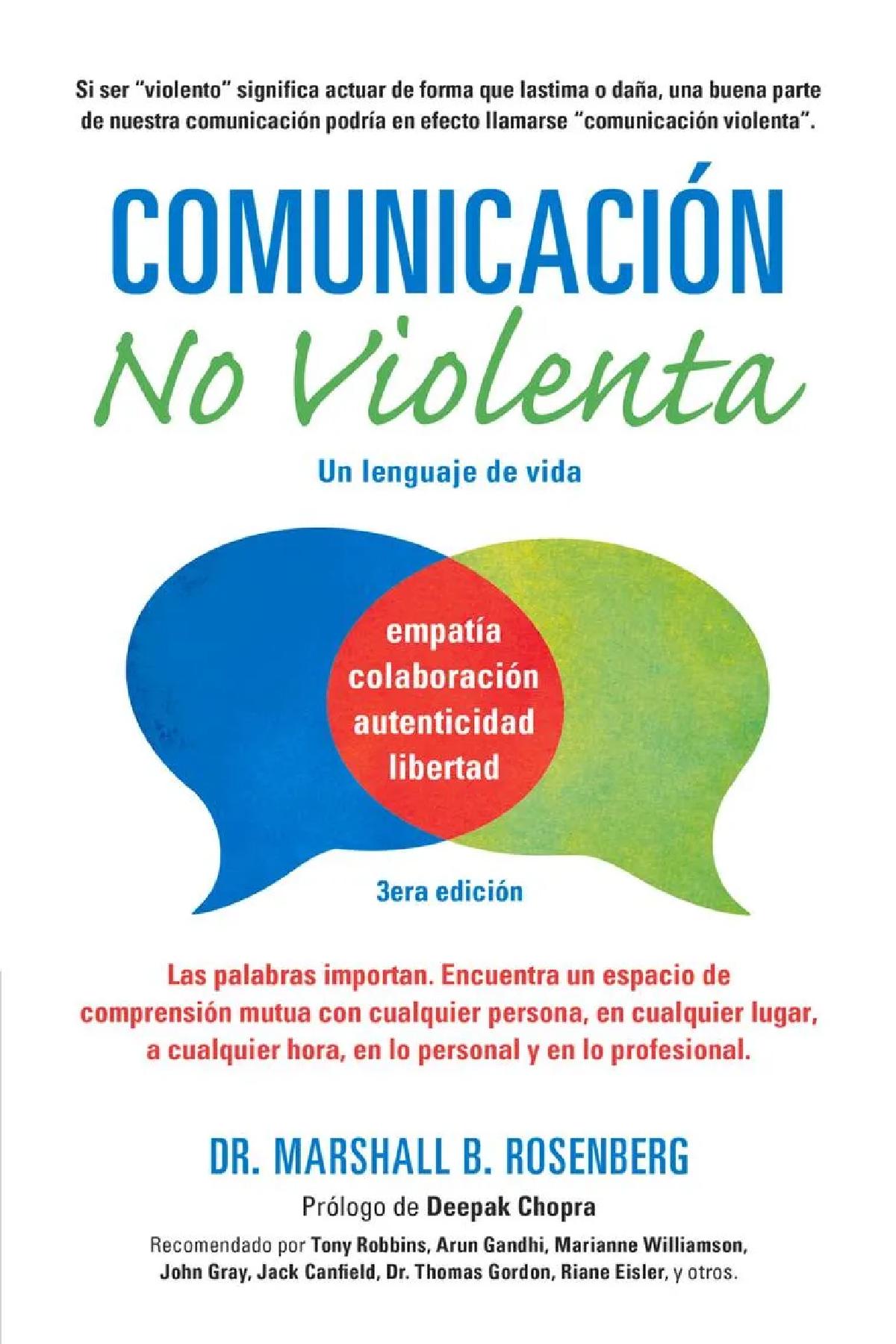
A book that teaches how to communicate more empathetically and effectively, reducing conflict and improving personal and professional relationships.
Topic#
Empathic language and peaceful conflict resolution.
Approach#
Practical humanism; distinguishes observations from judgments, feelings from thoughts, and requests from demands.
Why Read It#
- Changes the structure of dialogue to foster genuine collaboration.
- Helps express needs without triggering defensiveness.
- Applicable to personal, work, and family relationships.
Common Objections#
- “It sounds mechanical”: requires practice to feel natural.
- “It’s too idealistic”: includes firm boundaries, not submission.
For Whom#
People who want to improve communication skills and manage conflicts constructively.
Not For#
Those looking for strategies to “win” arguments or manipulate.
Key Ideas#
- OFNR: Observation → Feeling → Need → Request.
- Empathy validates the experience, not necessarily the behavior.
- Self-empathy is necessary before empathy toward others.
How to Apply#
- Reframe criticism into neutral observations.
- Express feelings and needs without blaming.
- Make clear, specific, and actionable requests.
Complementary Books#
- El mito del carisma — to develop presence and warmth in social interactions.
- Abrázame fuerte: Siete Conversaciones — to strengthen emotional bonds.